
The Science of Transportation convened more than 130 people from academia, industry, and government to showcase how federally funded university research strengthens America’s transportation systems, improves safety, and enhances the building materials that help us pave world-class roads, highways, and bridges.
The event featured several distinguished speakers, including:
- U.S. Department of Transportation Assistant Secretary for Research and Technology Seval Oz
- House Committee on Transportation and Infrastructure Ranking Member Rep. Rick Larsen (D-WA)
- CRH Executive Vice President of Government Relations Ryan Lindsey
- CNN transportation reporter Alexandra Skores
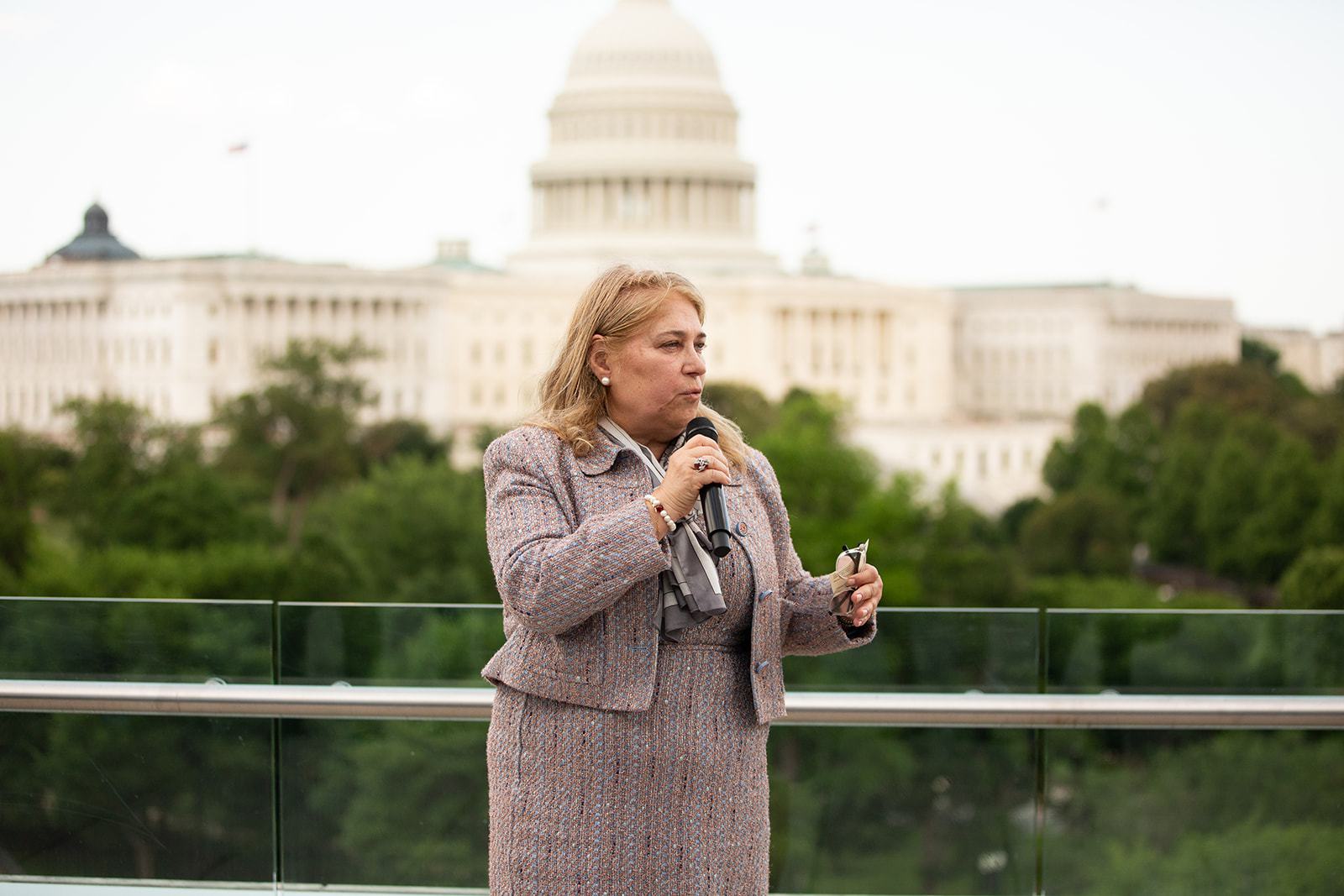
U.S. Department of Transportation Assistant Secretary for Research and Technology, Seval Oz gives remarks on the Administration’s priorities.
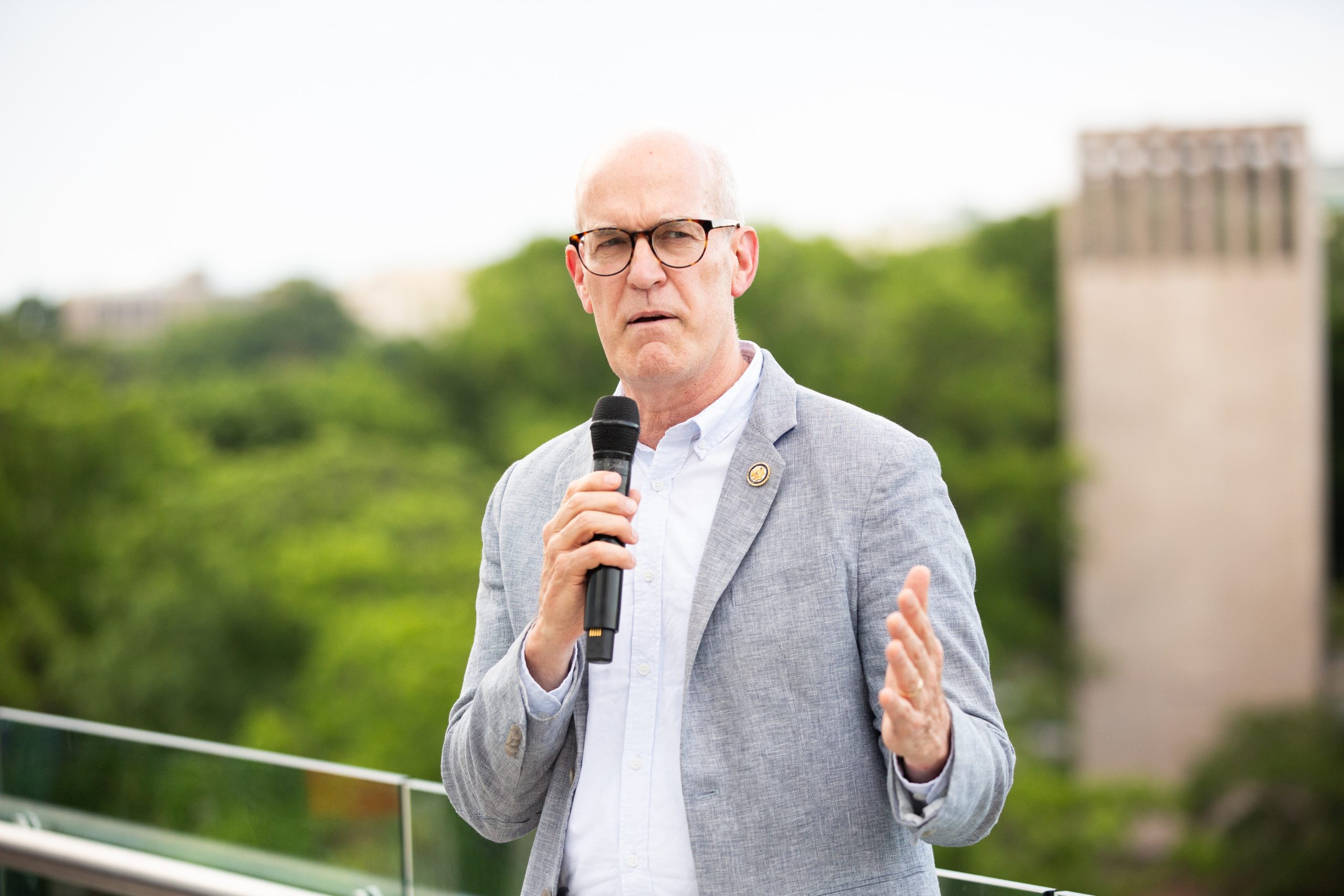
Rep. Rick Larsen (D-WA-02) discusses the state of American roads, bridges, and highways from his role serving as Ranking Member the House Committee on Transportation and Infrastructure.

CNN’s Alexandra Skores shares insights from her coverage of the transportation policies and developments shaping the nation.

CRH EVP of Government Relations Ryan Lindsey (left) and TSC President Jacob Dowd (right) speak at The Science of Transportation.
Ten TSC member institutions from across the country – including Florida International University, Old Dominion University, Pennsylvania State University, The Ohio State University, University of Alaska, Anchorage, University of California, Davis, University of California, Los Angeles, University of Illinois System, University of Nebraska System, and Washington State University – presented cutting-edge research spanning advanced surface transportation materials, innovations in safety, and strategies to build more resilient infrastructure.
The exhibits highlighted how federal investments in basic science not only fuel discovery, but also bolster the nation’s economy and leadership.
The event reinforced a clear message: When policymakers, researchers, and industry leaders align in support of sustained federal funding for basic research, the result is a stronger, more competitive America — where universities drive boundless innovation.